- Insolvency Insider Australia
- Posts
- Byron Bay Wildlife Sanctuary enters voluntary administration as visitor slowdown strains finances
Byron Bay Wildlife Sanctuary enters voluntary administration as visitor slowdown strains finances

Insolvency Insider
November 29, 2025
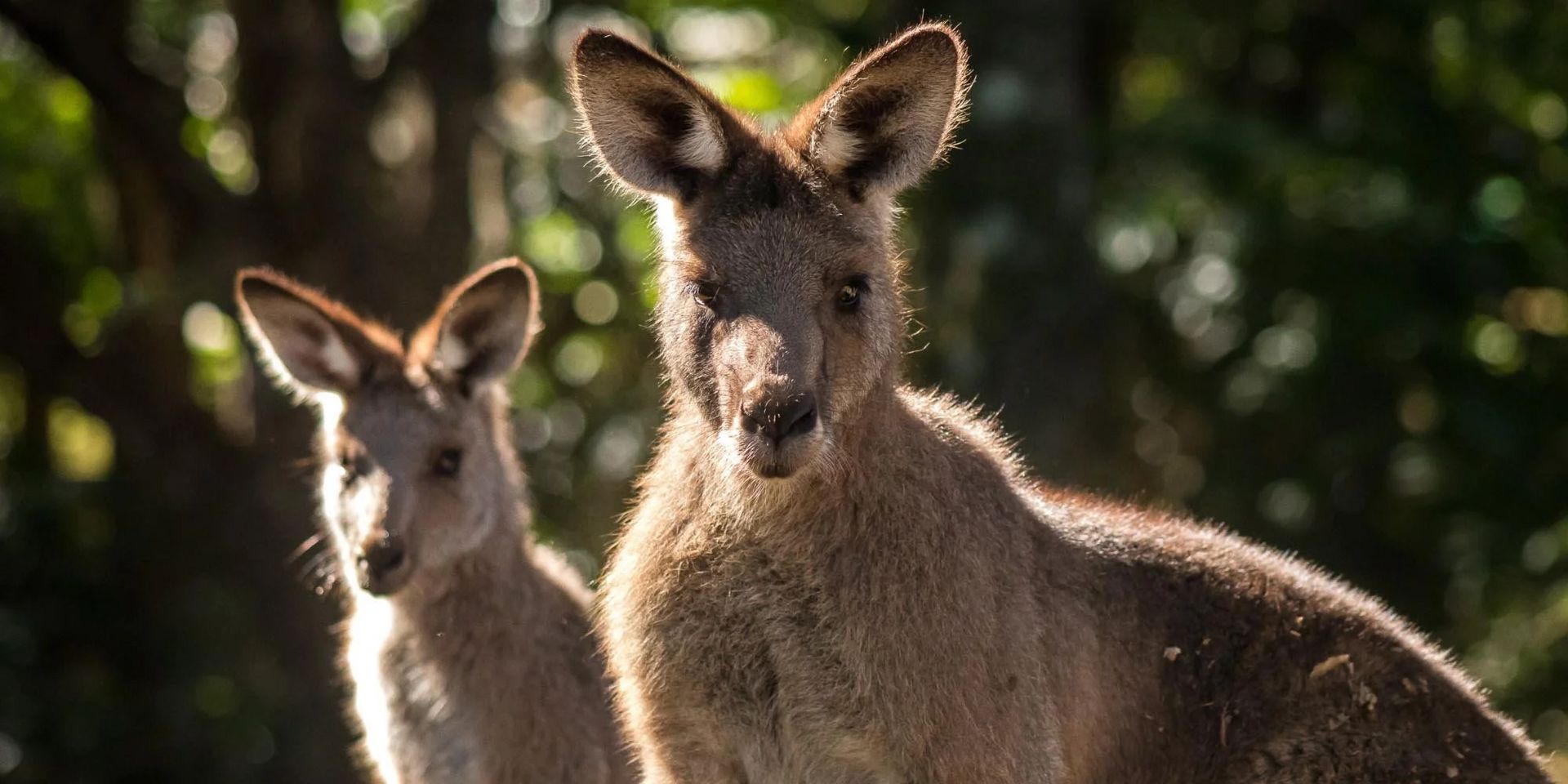
Byron Bay Wildlife Sanctuary, the long-running Northern Rivers wildlife attraction once known as Macadamia Castle, has entered voluntary administration after a sustained drop in patronage and rising financial pressure prompted its directors to seek formal protection while they explore a restructuring. Aaron Lucan of Worrells was appointed administrator of Byron Bay Wildlife Sanctuary Operations Pty Ltd on 30 October and has kept the site trading while he assesses whether the business can be salvaged through a recapitalisation or sale.
The appointment marks a sharp turn for an institution that has anchored local tourism for decades. Although Wildlife Recovery Australia (WRA) is the sole member and shareholder of the operations company, the sanctuary is governed by its own board and run by a team of roughly 25 full-time equivalent staff. It continues to host 130 animal residents and remains open to visitors during the administration process. Public messaging from both the operator and WRA has stressed that animal care remains fully funded and will continue uninterrupted through experienced veterinarians and keepers.
Early communications from the sanctuary positioned the administration as a strategic reset aimed at strengthening long-term viability with support from major financial backers. Management emphasised that day-to-day operations, scheduled activities, and community programs are continuing, and that the restructuring is expected to protect recent capital investments, including new enclosures, a reptile house, and a nocturnal exhibit slated to open before the end of the financial year.
The business, however, has struggled for several years to rebuild visitor numbers after the Pacific Motorway upgrade diverted passing traffic away from its Knockrow location. That decline coincided with community tensions over entry pricing and the perceived value of the attraction. The shift in ownership in 2021, when WRA acquired the property and rebranded it as Byron Bay Wildlife Sanctuary, brought a stronger focus on conservation and rehabilitation, but did not fully reverse the drop in admissions.
The administrator is now examining the entity’s financial position, its obligations to creditors, and the sustainability of its operating model. WRA has indicated it will cooperate with the administrator and provide support to staff, trainees, and volunteers as options are reviewed. Several WRA-controlled assets on the site, including the MacRae-Seaton Wildlife Recovery Area, the onsite training centre, and a mobile wildlife hospital, are expected to continue regardless of the outcome for the visitor attraction.
A second meeting of creditors scheduled for 4 December will determine the sanctuary’s future path.