- Insolvency Insider Australia
- Posts
- Court keeps Ulan Quarry in administration after board dispute
Court keeps Ulan Quarry in administration after board dispute
Administrators Joshua-Lee Robb and Jason Porter of SV Partners remain in charge after the court found strong signs of insolvency

Dina Kovacevic
April 25, 2026
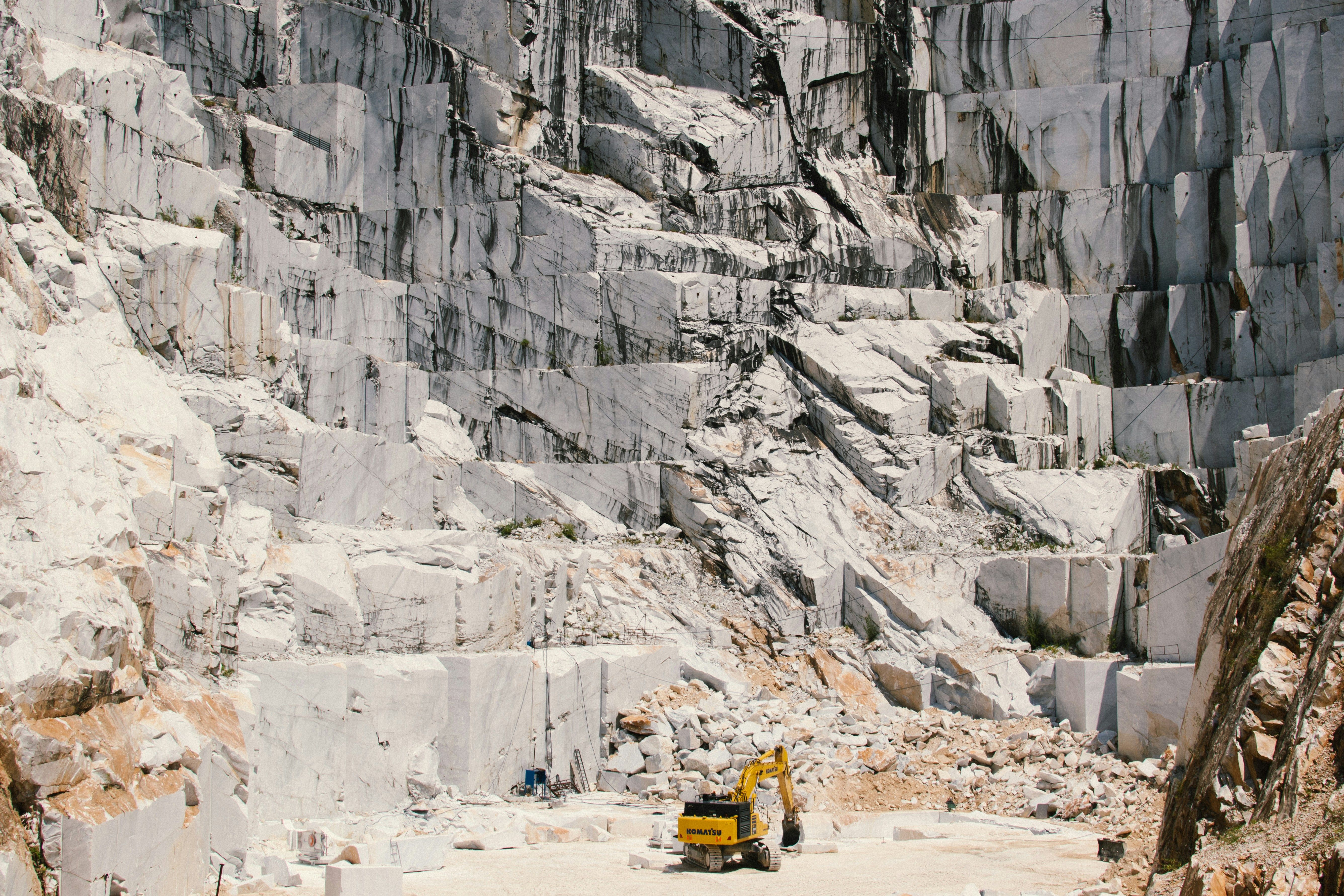
Ulan Quarry Products Pty Limited, a New South Wales quarry operator supplying road base and sand to councils and landscapers, entered voluntary administration on 23 March 2026, after two of the company’s three directors resolved that Ulan Quarry was insolvent or likely to become insolvent. Joshua-Lee Robb and Jason Porter of SV Partners were appointed voluntary administrators, and their appointment was subsequently upheld following a challenge by the third director.
Ulan Quarry operates a quarry near Ulan in regional NSW. Its business includes extracting stone, crushing materials into road base and sand, and selling product to local customers. Having grown increasingly concerned about unpaid debts, lack of reliable financial records, minimal available cash, and the apparent non-payment of employees and suppliers, two directors called a directors’ meeting for the purpose of appointing administrators. The appointment was later challenged by fellow director Matthew Hardy, who argued the board meeting had not been convened in accordance with the company’s constitution.
The Supreme Court of New South Wales upheld the administrators’ appointment. While finding that the directors’ meeting was invalid because Hardy had not received the minimum notice, the Court exercised its power under section 447A of the Corporations Act to validate the administrators’ appointment retrospectively, allowing the administration to proceed from the original appointment date.
Justice Brereton said the evidence strongly suggested Ulan Quarry was insolvent, or likely to become insolvent, when the administrators were appointed. The Court also noted concerns arising from the collapse of related entities linked to Hardy, including Makekadi Mining Services, whose liquidation reportedly threatened labour supply to the company, equipment access, and added further creditor pressure.
Accordingly, while acknowledging Hardy had been denied the right to attend the directors’ meeting and argue against the appointment, the Court held that creditors’ interests and the objectives of Australia’s voluntary administration regime were best served by leaving the company in external administration.